Managing invoices is a crucial part of running any business. For years, companies relied on paper invoices or PDF files, which often led to delays, errors, and extra costs. Today, technology has introduced a better solution: electronic invoicing, or e-invoicing. But what exactly is e-invoicing, and how does it work? Let’s break it down.
What is E-Invoicing?
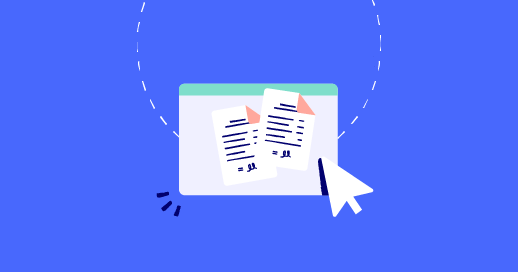
E-invoicing is the process of creating, sending, receiving, and storing invoices in a digital format. Unlike traditional paper or PDF invoices, e-invoices are generated within a system that allows businesses and clients to exchange information automatically. This makes the entire process faster, more accurate, and easier to track.
In simple terms, instead of printing an invoice, emailing a PDF, or sending a physical copy, businesses use software to issue the invoice electronically. The recipient can then receive, review, and pay it through digital channels.
How Does E-Invoicing Work?
The process is straightforward and designed to save time:
- Invoice Creation – A business creates an invoice directly in its e-invoicing or CRM system. Customer information, services, and amounts are filled in automatically.
- Delivery to Client – The invoice is sent electronically via email or directly through a secure portal. Clients receive it instantly, with payment options included.
- Tracking & Notifications – The system records the status of the invoice: whether it has been sent, opened, or paid. Automated reminders can be sent if payment is late.
- Payment Collection – Clients can pay directly through integrated methods like bank transfer, credit card, or online payment gateways.
- Secure Storage – All invoices are stored digitally, making them easy to find, audit, and share for compliance or tax purposes.
Why Businesses are Moving to E-Invoicing
E-invoicing is quickly becoming the standard because it offers benefits that traditional invoicing cannot:
- Faster Payments: Clients receive invoices instantly and can pay online without delays.
- Lower Costs: No more printing, mailing, or manual filing.
- Accuracy: Automated data reduces human errors.
- Compliance: Many governments are now requiring e-invoicing for tax reporting.
- Transparency: Businesses can monitor cash flow in real time.
How KPM CRM Makes E-Invoicing Easy
With KPM CRM, businesses can simplify invoicing from start to finish:
- Convert quotes into invoices with a single click
- Send invoices instantly via email
- Track payment status and get real-time updates
- Automate reminders for overdue invoices
- Store all invoices securely in one platform
- Integrate invoicing with sales and cash flow for a complete financial overview
Final Thoughts
E-invoicing is more than just going paperless — it’s about making business operations smarter, faster, and more reliable. By adopting electronic invoicing, SMEs can reduce costs, improve cash flow, and deliver a more professional experience to their clients.
With KPM CRM, switching to e-invoicing is simple. Everything from invoice creation to payment tracking is handled in one secure and easy-to-use system, helping your business save time and focus on growth.