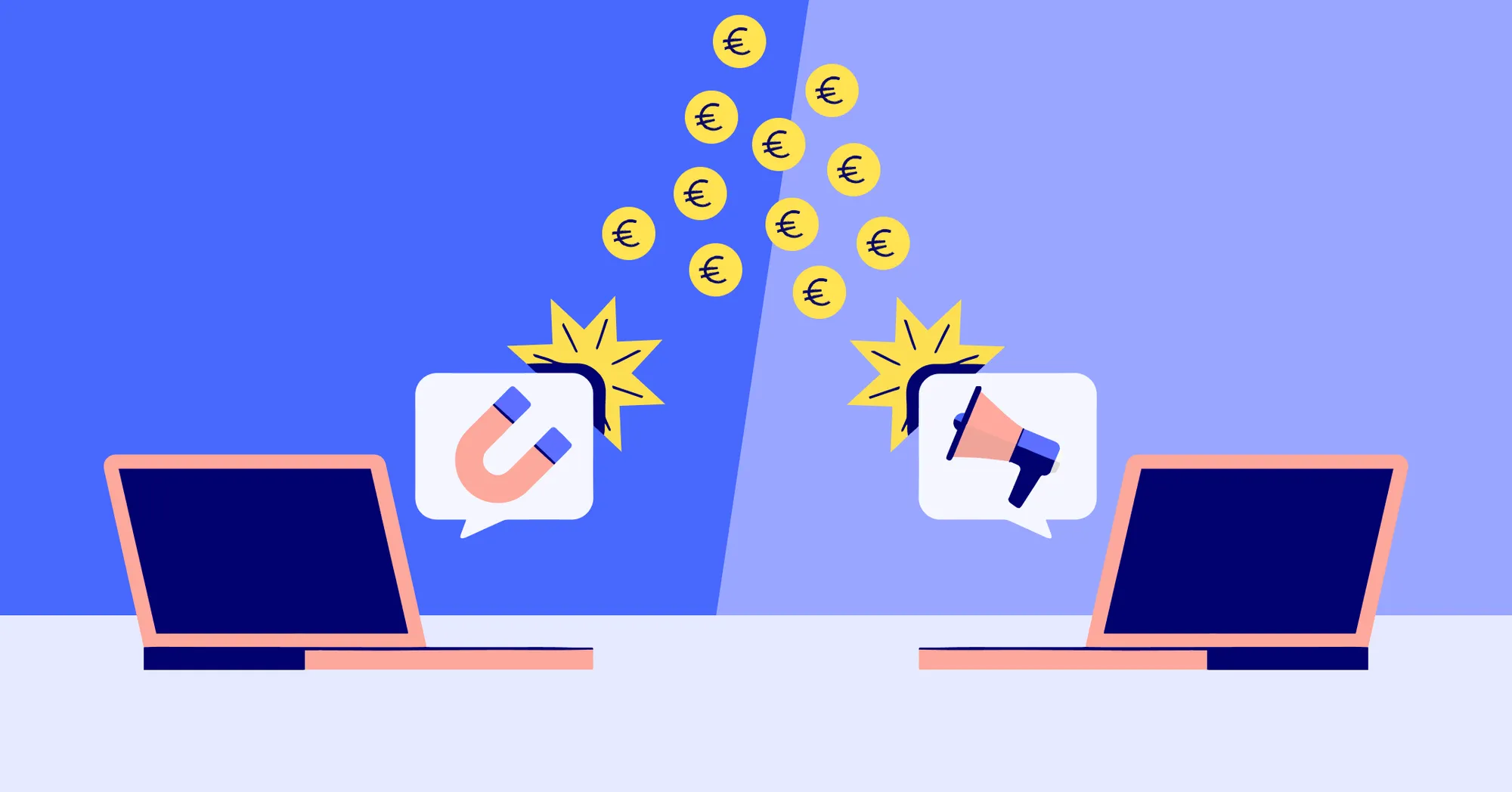
Every business needs marketing to grow, but the way you approach it can make all the difference. Broadly, there are two types of marketing strategies: inbound marketing and outbound marketing. Both have unique strengths, but they work best when used together in the right balance. Understanding the difference between the two will help you decide which mix is best for your business.
What is Inbound Marketing?
Inbound marketing is about attracting customers naturally by providing valuable content and experiences. Instead of reaching out to people who may not be interested, inbound marketing helps your audience find you when they are actively looking for solutions.
Examples of inbound marketing include:
- Blog posts and articles that answer customer questions
- Search engine optimization (SEO) to rank on Google
- Social media content that engages your audience
- Email nurturing campaigns
- Free resources such as eBooks or webinars
Inbound marketing builds trust over time and positions your business as a reliable authority. It usually has a lower long-term cost, but results can take time to show.
What is Outbound Marketing?
Outbound marketing is a proactive approach where businesses reach out directly to potential customers, even if they are not yet searching for a solution. It creates awareness and often generates results more quickly.
Examples of outbound marketing include:
- Online ads (Google, Facebook, LinkedIn)
- Cold emails or calls
- Direct mail campaigns
- Trade shows or events
- Sponsored media placements
Outbound marketing gets your message in front of a wide audience fast. However, it can be more costly, and the success depends heavily on targeting and execution.
Inbound vs. Outbound: Key Differences
Approach: Inbound pulls customers in, outbound pushes your message out.
- Cost: Inbound is cost-efficient over time, outbound requires higher upfront spending.
- Speed: Inbound builds momentum slowly, outbound delivers quicker results.
- Engagement: Inbound creates long-term trust, outbound generates immediate visibility.
How to Choose the Right Mix
The best strategy is not choosing one over the other, but finding the right balance:
- Define Your Goals
If you want fast results and awareness, lean more on outbound. If your goal is sustainable growth and customer loyalty, inbound should be the foundation. - Know Your Audience
Where does your audience spend time? If they search online for solutions, invest in inbound (SEO, content). If they attend industry events, outbound tactics like trade shows may work better. - Balance Short-Term and Long-Term
Outbound is great for quick wins, while inbound provides lasting value. A healthy mix might be running ads to drive traffic today while building a content strategy that keeps generating leads tomorrow. - Track Results and Adjust
Use analytics to measure performance. If outbound ads bring leads but inbound nurtures them better, adjust your budget to support both effectively.
How KPM CRM Supports Both
With KPM CRM, you don’t have to choose one over the other — you can manage both inbound and outbound marketing in one platform:
- Run email campaigns, SMS, and landing pages to attract inbound leads.
- Track outbound efforts such as ads, events, or cold outreach directly in the CRM.
- Nurture every lead through automated workflows until they’re ready for sales.
- Measure ROI with real-time reports to see which mix brings the best results.
Final Thoughts
Inbound and outbound marketing are not competitors — they are partners. Inbound builds long-term relationships, while outbound drives immediate visibility. The right mix depends on your goals, audience, and resources. By aligning the two, businesses can maximize their reach and conversion potential.
With KPM CRM, managing both strategies becomes simple. You can attract, nurture, and convert leads — all from one system.